Pay for the rental. Then show us the books.
On August 26 the council met in special session on one subject: getting
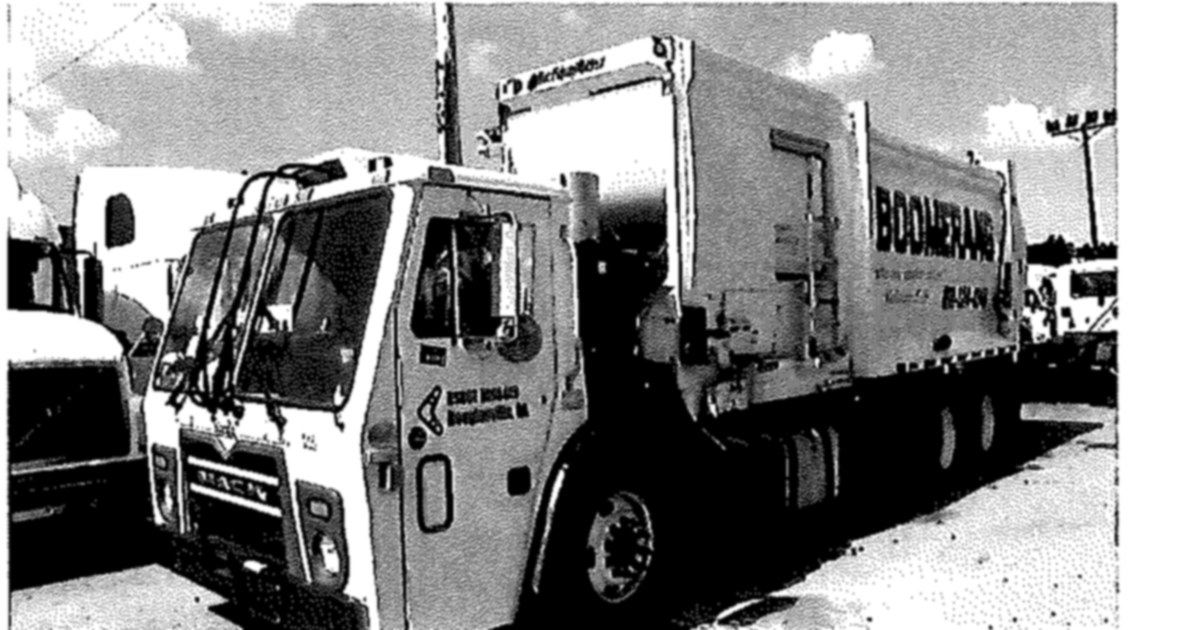
the trash picked up. It voted 6–0 to rent an automated side-loader for a month, and put
the bigger question — buying trucks the city would actually own — off to next
Tuesday. The complete record of that meeting is on this site: timestamps play the city's own
video, and the documents are scanned in.
Read the record →
What follows is my own view of it. Two main things come up.
The rental, and the timing
Councilman Don Etherly went in depth about how we are spending money on rentals with nothing to show for it, and he would prefer that the money go to purchases. I agree with this sentiment. Don has watched a slow-motion train wreck with this problem, and so perhaps this could have been foreseen, with moves to locate trucks for purchase made in advance of all of these failures. That said, it takes time to shop out and find the right vehicles for purchase. There is still a lot of debate on the side-versus-rear-loader question, and I think that is a healthy and tractable debate. My understanding is that Chief of Staff Kevin Martin-Arnold has brought multiple targets for purchase over the last few months and meetings, and it sounds like most of those were discarded as not feasible. Having two prospects from Louisiana at $130K per truck sounds like a good possibility.
This is exactly the same shape of question as pointing out the high cost of paying contractors for water repairs instead of paying internal staff. Having people on staff able to make these repairs is a more sustainable option than paying contractors. But in a water crisis, you have to take your lashes and pay what it takes to get the system back online. Likewise, when trash is not getting picked up, paying for a rental is not wasted money. It's money that has to be spent to deliver the promised and necessary services. This is not optimal, it's not efficient, but it is necessary. Bemoaning the mistakes of the past will not help us. We need to show that we are learning from those mistakes and have a plan to not repeat them. So my thought and comment is as follows:
- I would like to have those purchase decisions duly researched and made as soon as possible. Time is truly of the essence and owning is a better option in this case.
- Paying for rentals when trucks are down and we have money to do it, while regrettable, is the right decision. I do not think $30K in July or $10K in September is wasted money. This is simply the bill that is due and necessary for street and sanitation to deliver their required services.
The rate talk, and the books
City Attorney Andre Valley spoke at length, twice, about how we need to think about what a rate increase looks like. He said that rates have only been raised twice in 20 years and it's time to make another increase. They indicated that they have FOIA research underway to determine sanitation fees for similar municipalities. I think that raising this discussion at this time, merited or not, is tone deaf and completely disconnected from the citizens. We are experiencing an affordability crisis. The citizens are being crushed by water bills at the moment, and trash is not being collected. This question is being raised at the same moment we are rightly debating whether residents are due a refund of their street and sanitation fees for services unrendered.
What is lacking in all of this is a clear presentation of the numbers. Too often I hear council meeting attendees ask questions without providing answers. When were rates increased, and how much were those increases? What is the history of financials for street and sanitation? How were those increases applied? Did they go to pay more staff, pay higher wages, buy new equipment?
The city needs to treat its residents as customers, which we are. And we are customers who can leave. If we provide poor service at high costs, then the city is failing as a service provider, and people will correctly move away. This poor performance is a tax on the citizens that the market resolves with a real estate market that is permanently depressed. Empty houses that are burning and falling down, and good houses with prices that have also not moved in 20 years, because the city is not an attractive place to live.
City governance, properly managed, should operate as an organ of the citizen body — necessary to its life and contributing towards its good health. When we don't acknowledge our failure to deliver basic necessities, and meanwhile impose higher and higher costs on residents, then we are functioning as a cancer or a parasite that feeds on the host and will eventually kill it.
And now we are making an argument for the need to raise rates without showing any financials — no cost breakdown, no history of costs, no history of rate increases. We are researching what is collected in other areas to justify increases. Why not justify increases by actually showing our costs? This is an honest and respectful way to make the case to our residents. But regardless, why are we making this argument at the exact same time that we are also debating whether a credit should be given on those same rates for services not rendered?
My suggestion is fix our service first. Demonstrate that we understand our operational and cost structure. And if a street and sanitation fee increase is warranted, ground it in the actuals of what we are spending and justify it by showing what the additional revenue would bring, and attach those increases to line items where we can show definitively that we are underfunded. Arguing that Sherwood charges x and Bryant charges z and so we should charge that too is lazy and does not demonstrate to anyone paying attention that we fully understand our own situation.
plays the city's own video right here on the page · opens the document right here on the page